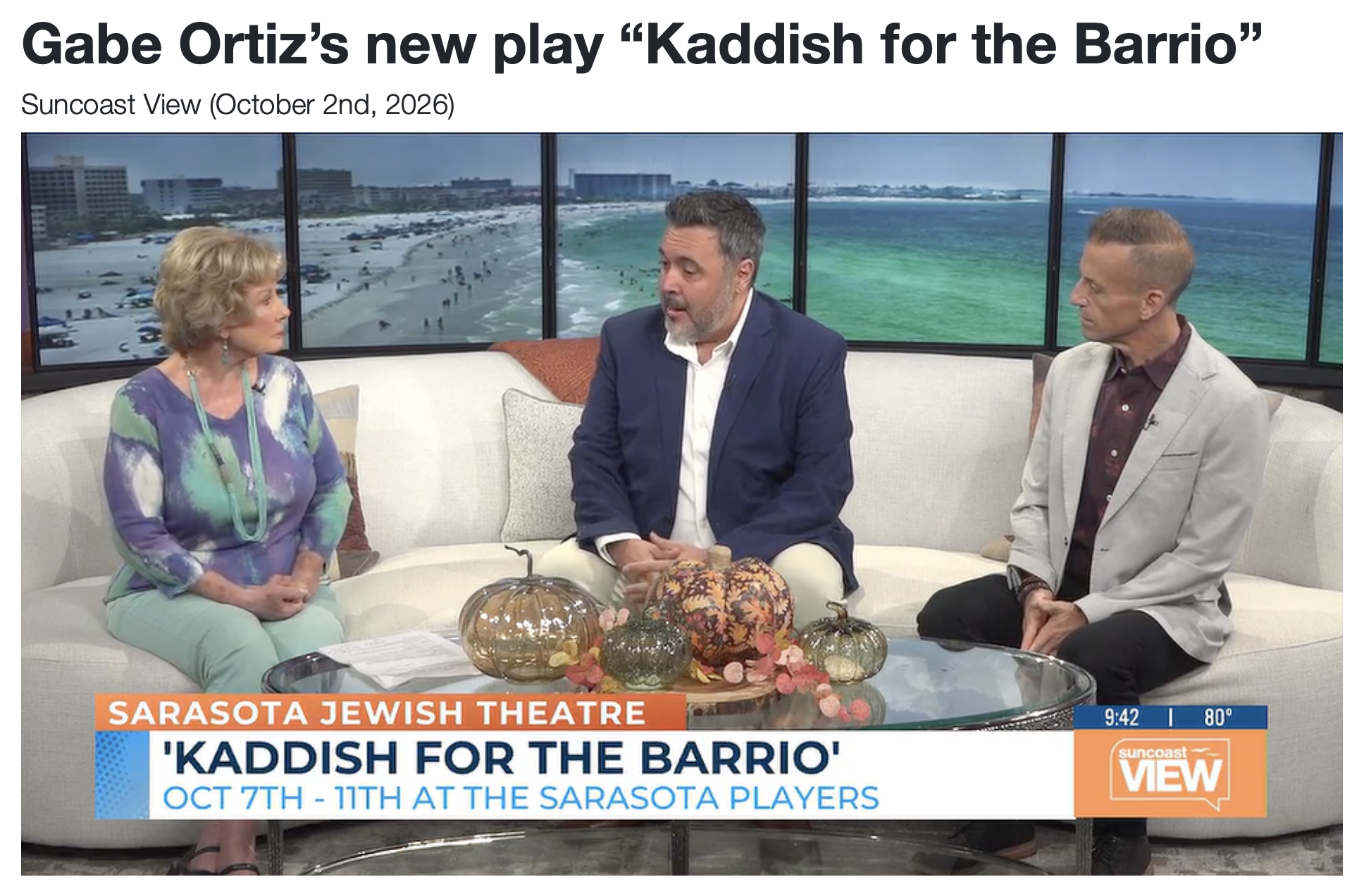
Show Details
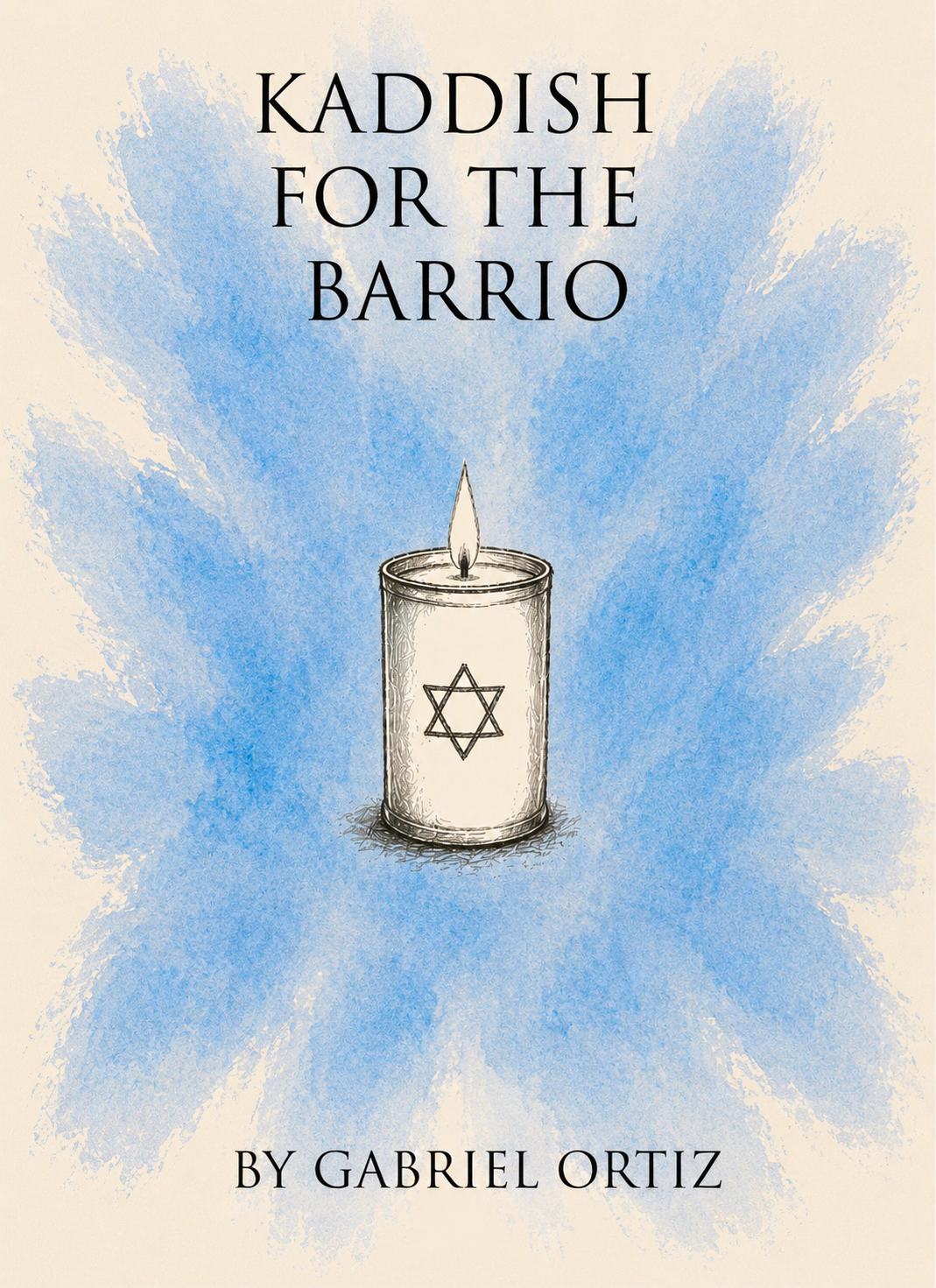
Kaddish for the Barrio
by Gabriel Ortiz
Directed by Preston Boyd
October 7-11, 2026
The Sarasota Players, 3501 S. Tamiami Trail
From the Playwright
I grew up in the barrios of Los Angeles in the early 1980s. It was a world riddled with substance abuse, poverty and gang violence. Both of my parents were heroin addicts. My father spent 13 years in prison for armed robbery. Some of my brothers were cholos, or gang members, who eventually followed my father into a life of crime.
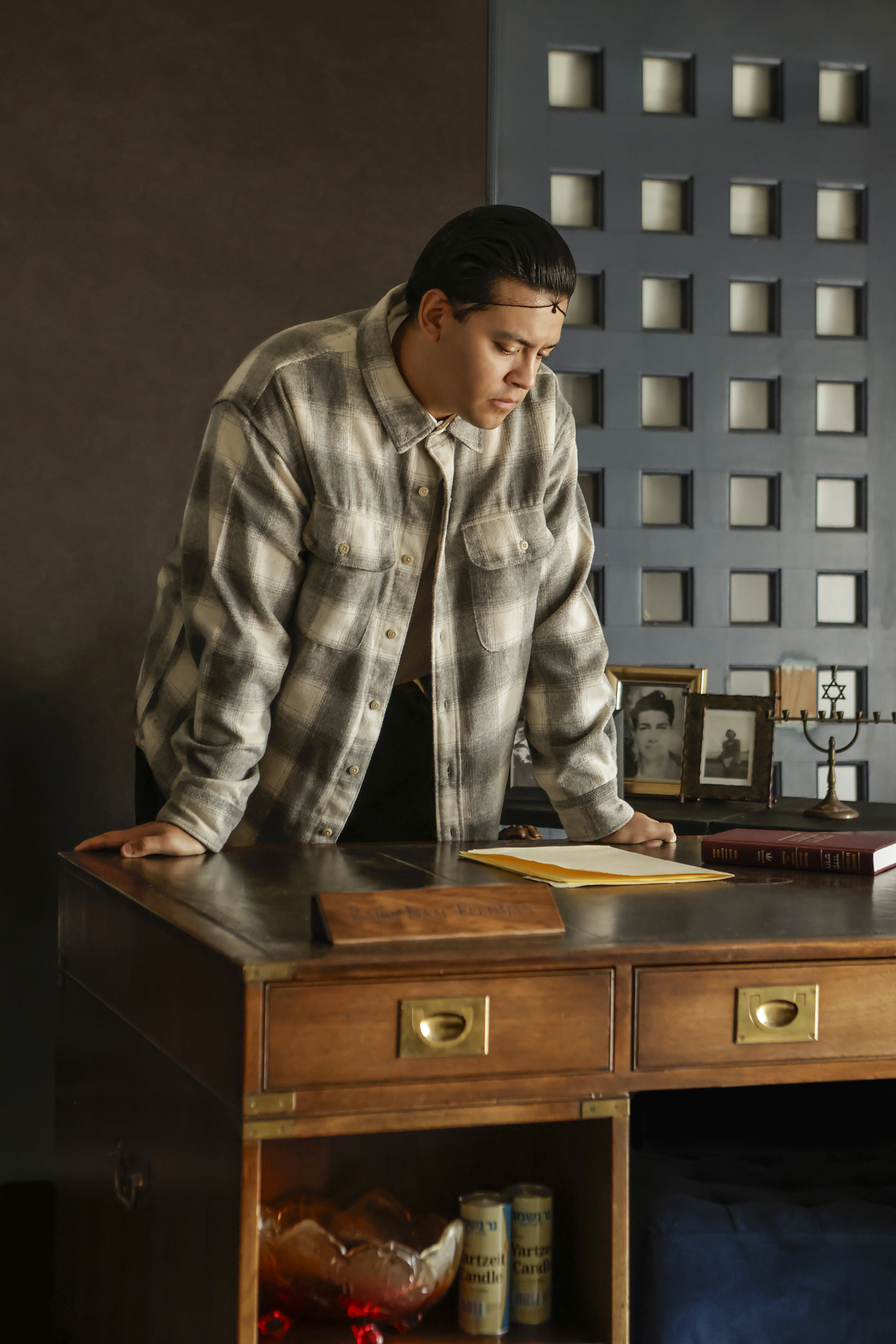
Cholo culture has deep roots in Mexican American and Chicano identity, with ties to the pachuco and zoot-suit culture of the 1930s and 1940s. There is much about that sub-culture I appreciated – its style, music, poetic language, art, as well as its fierce sense of family, community and loyalty. But it also has a much darker, violent side. In the ‘80s, neighborhood gangs fought across streets and boulevards. Families lost fathers, brothers, and sons. Fear kept people in, but it also kept people out.
People sometimes ask what saved me from that world. There were several factors that I credit, but most important were my brothers. They were my angels. Though some were in gangs themselves, they made certain I would not be. They walked me to school, made sure my clothes were clean and ironed, and that I had food in my belly. They did not let me run the streets, and they shielded me from anyone that would do me harm.
Faith was also powerful in my childhood. Through church, I discovered theatre. We created plays about life in the barrio. Art gave us a way to confront what frightened and hurt us. Acting and writing became a kind of antidote to violence.
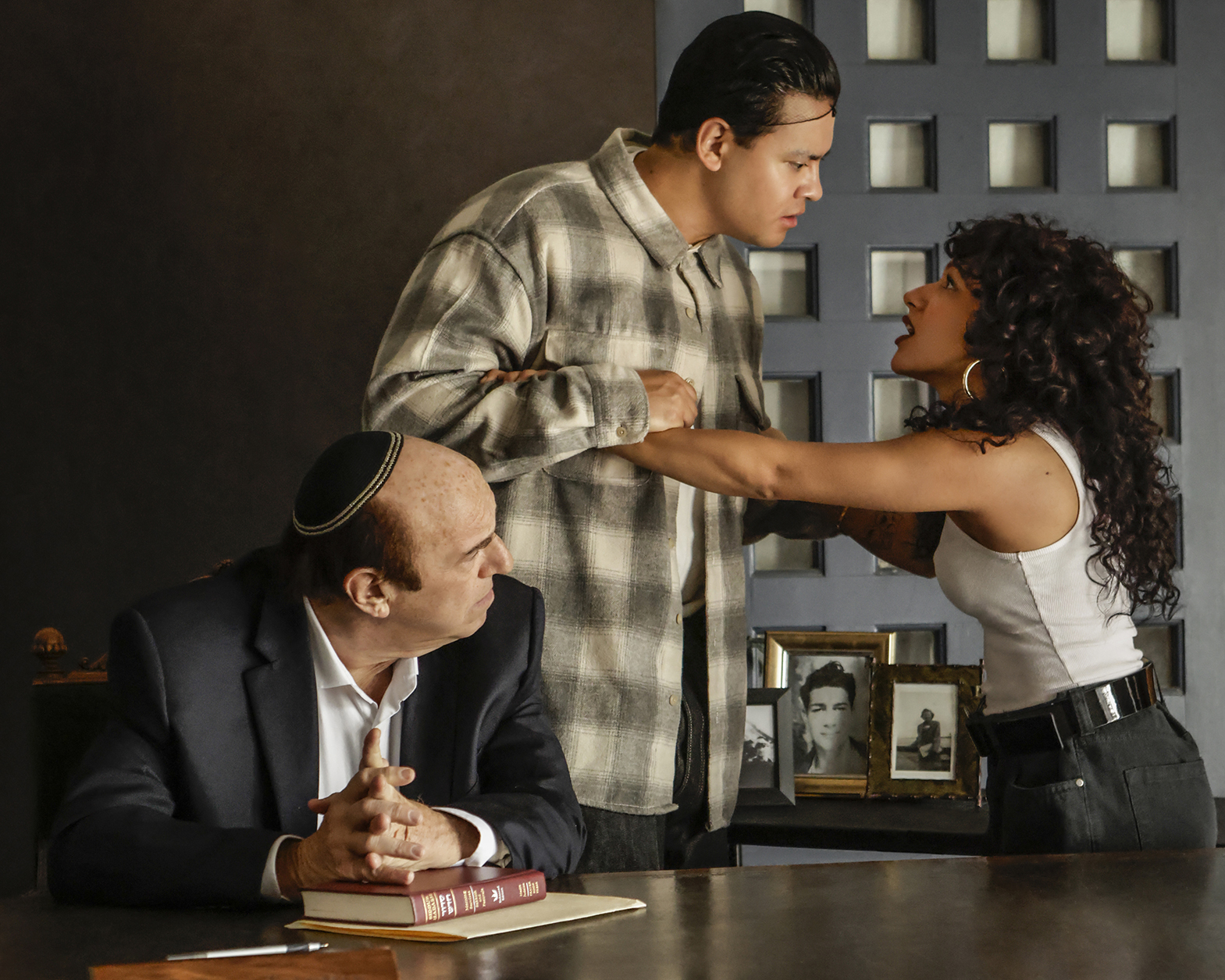
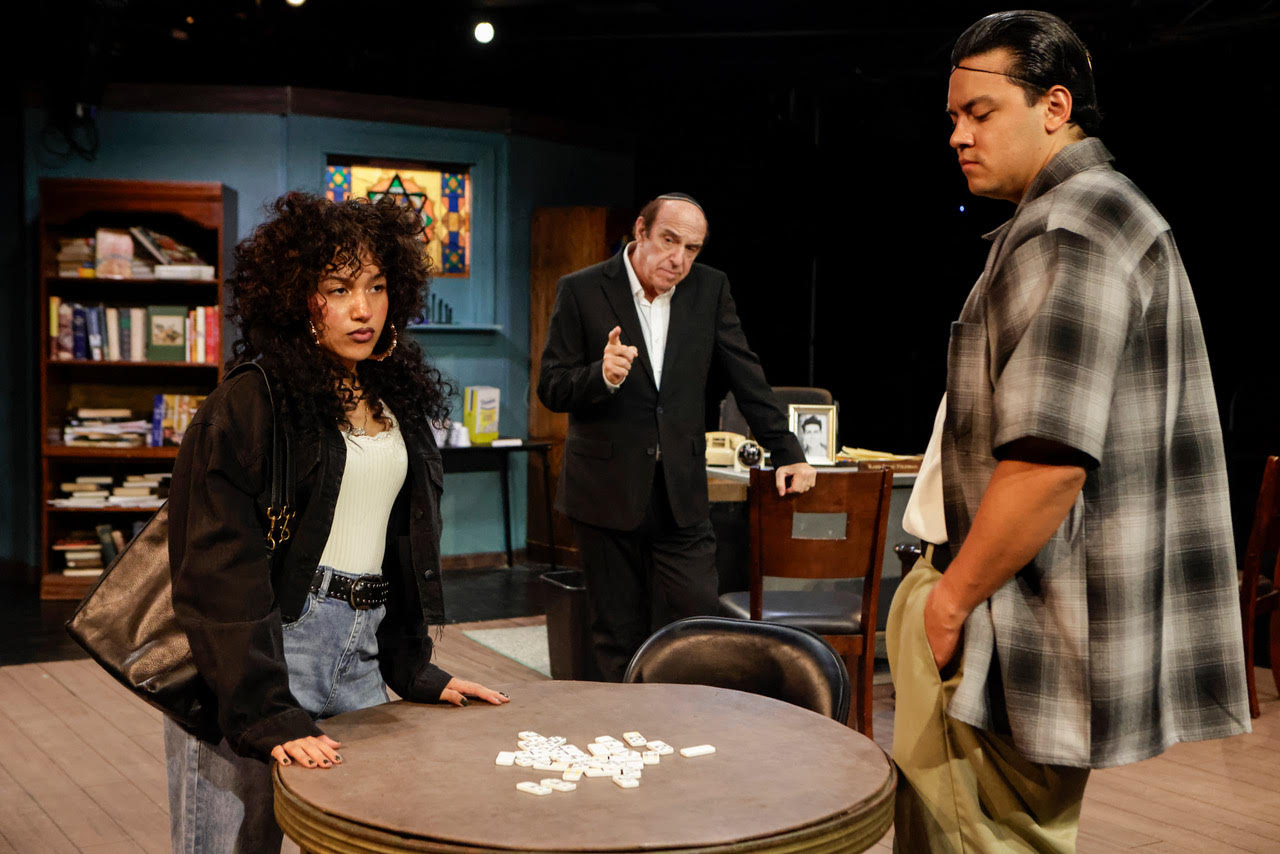
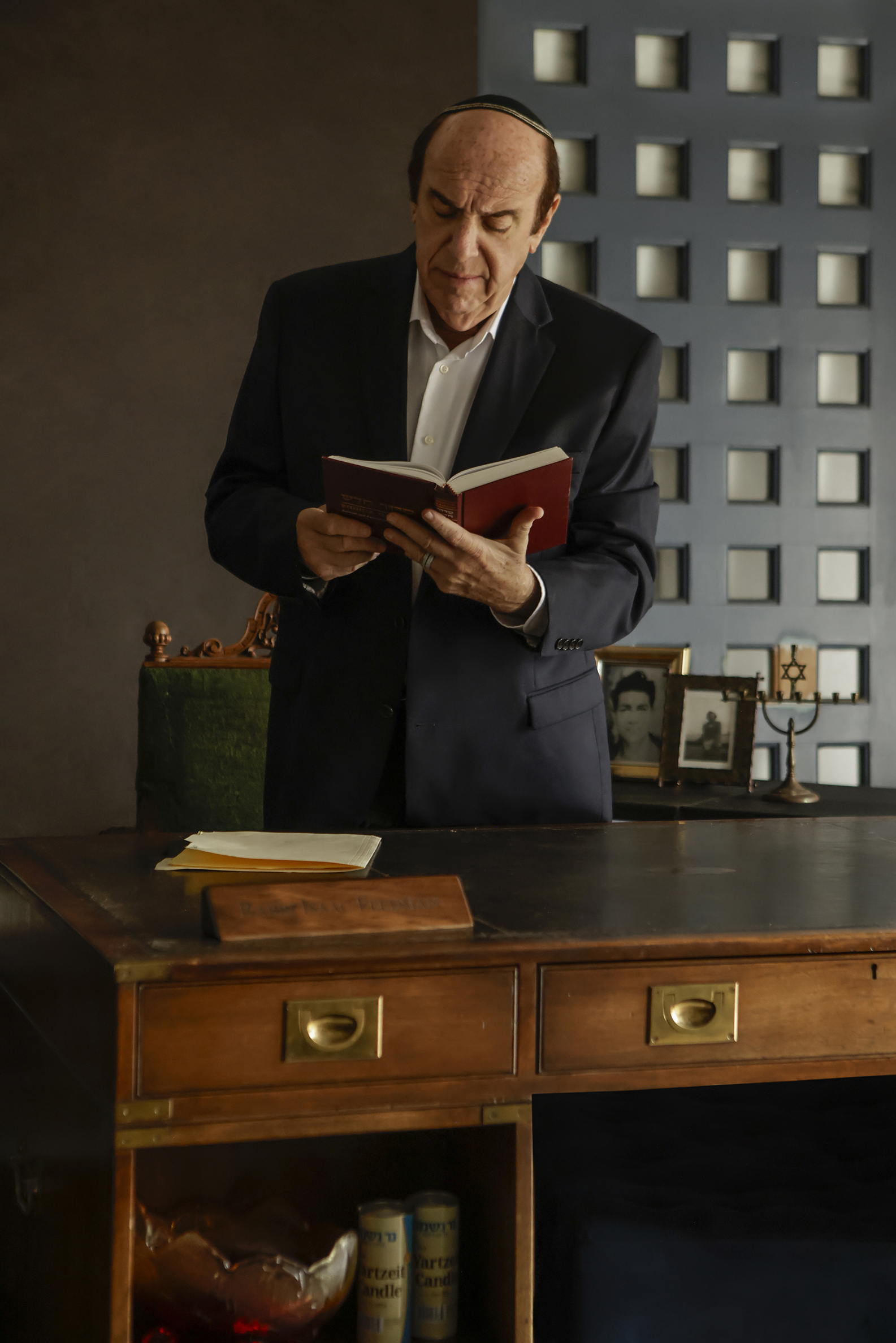
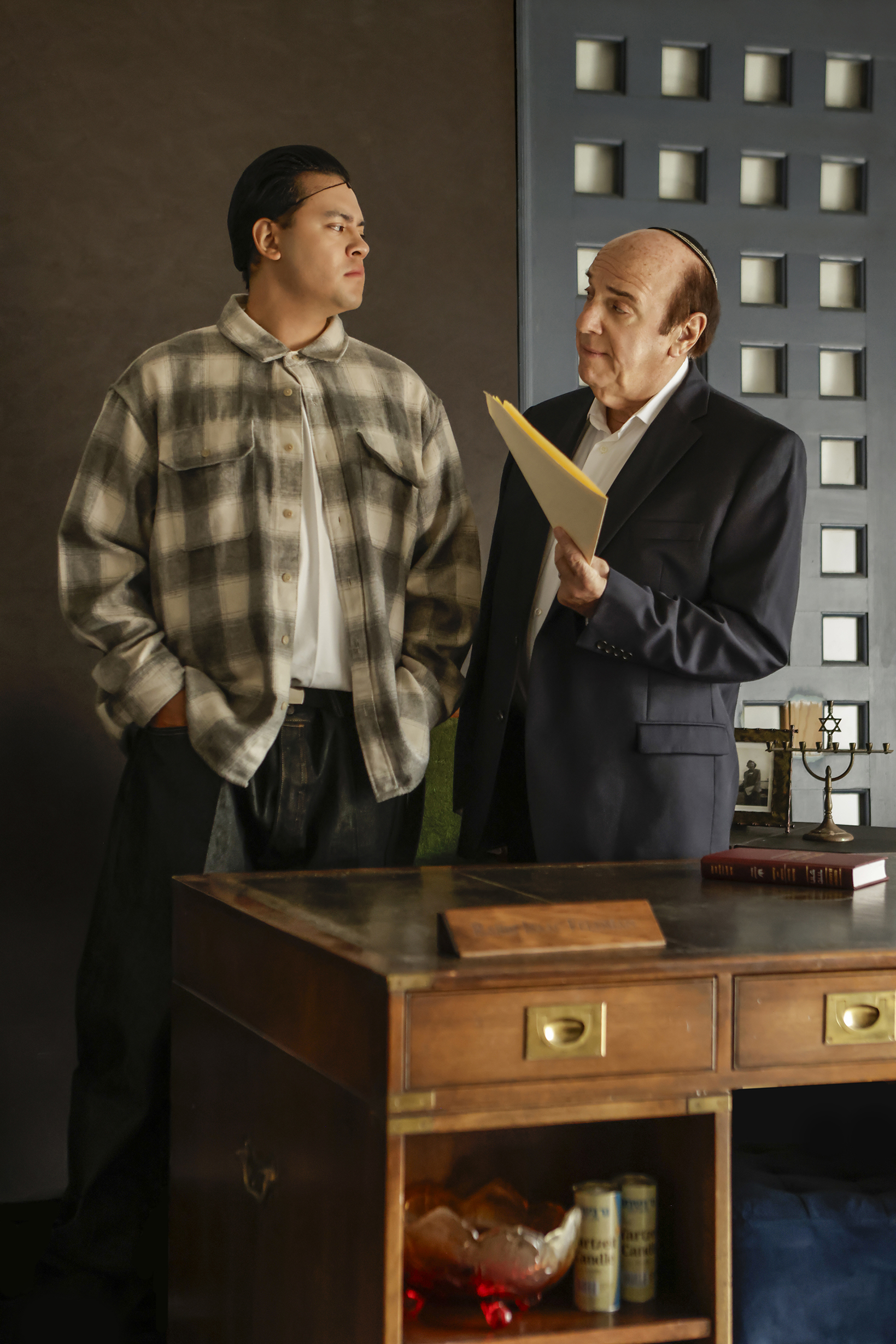
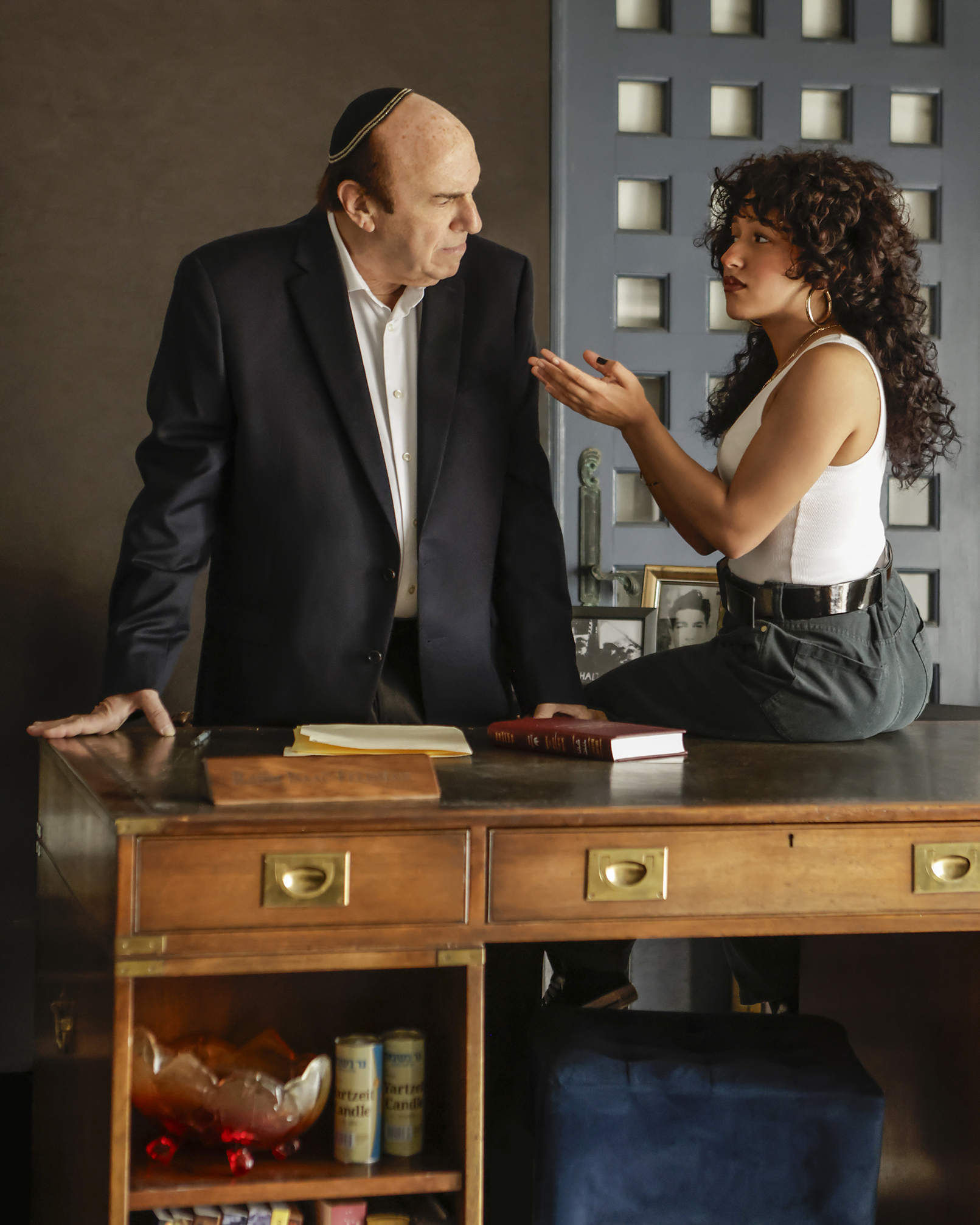
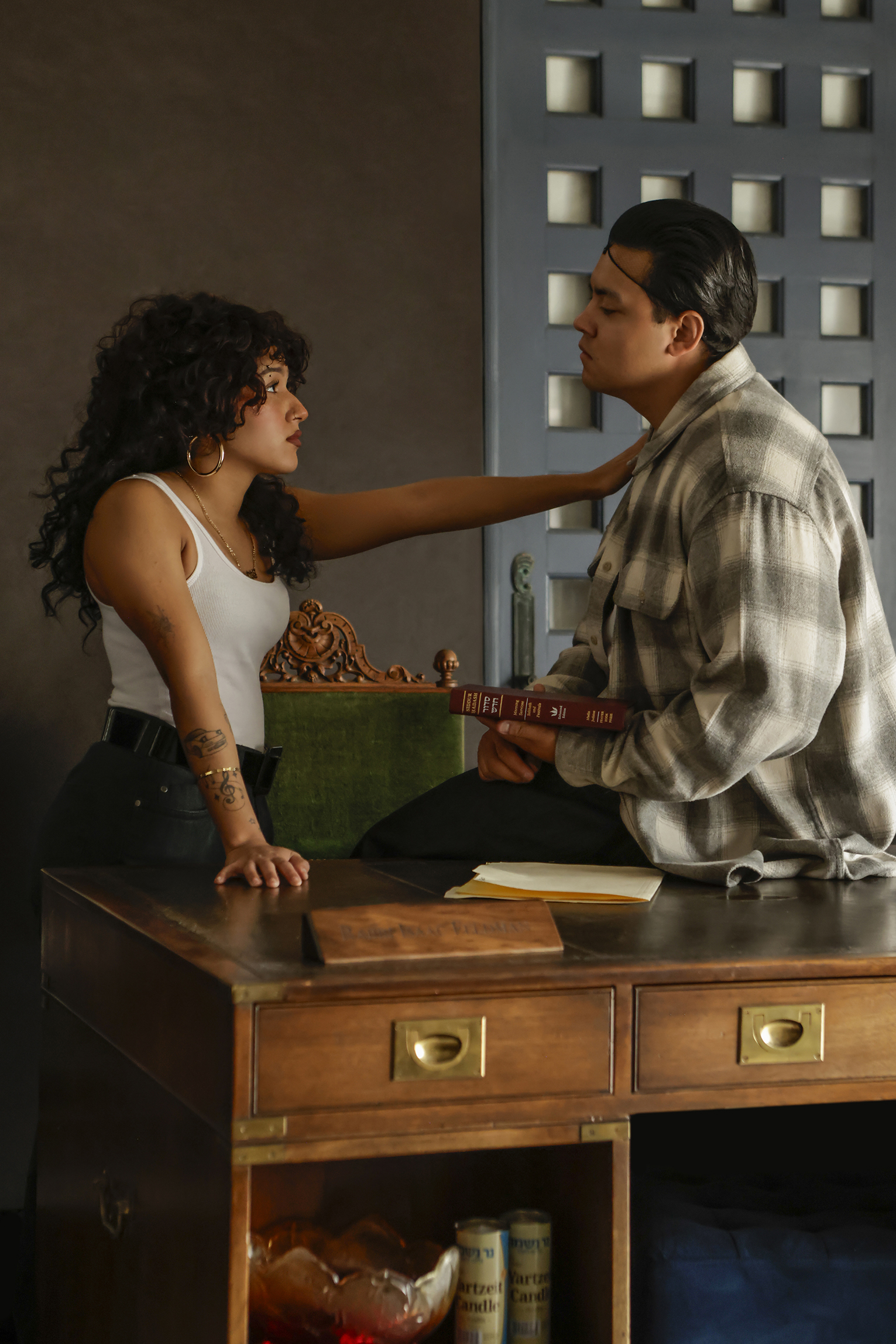
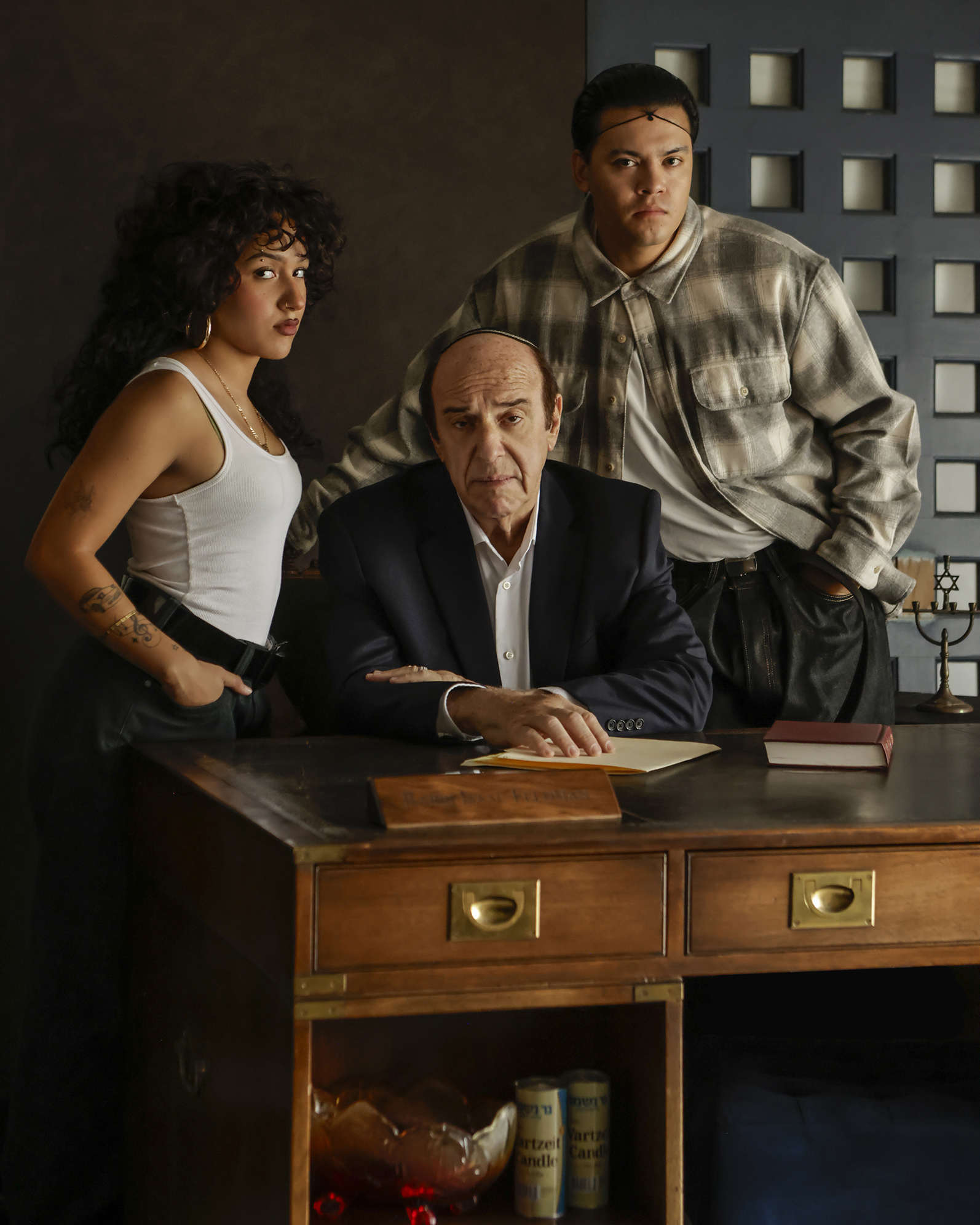
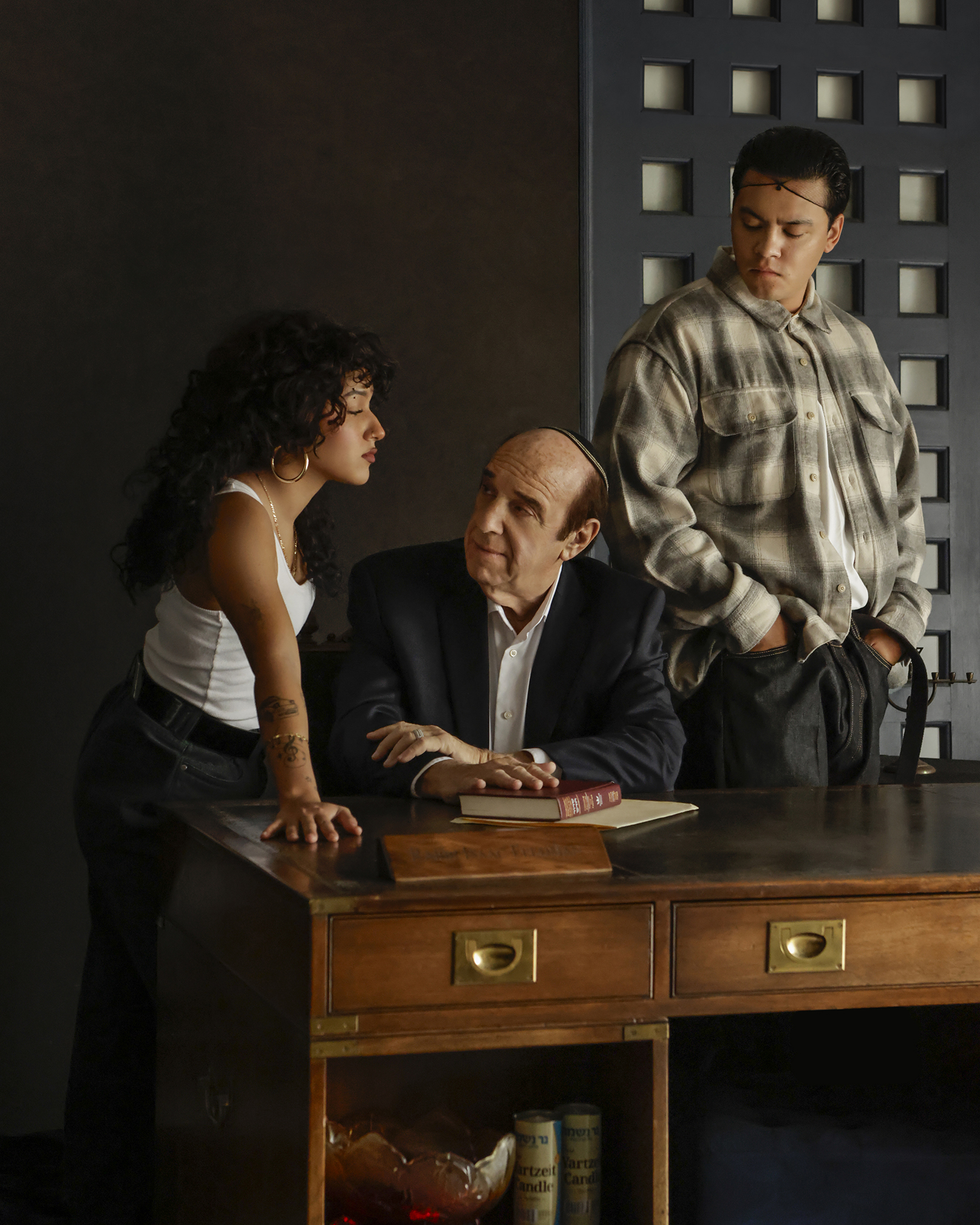
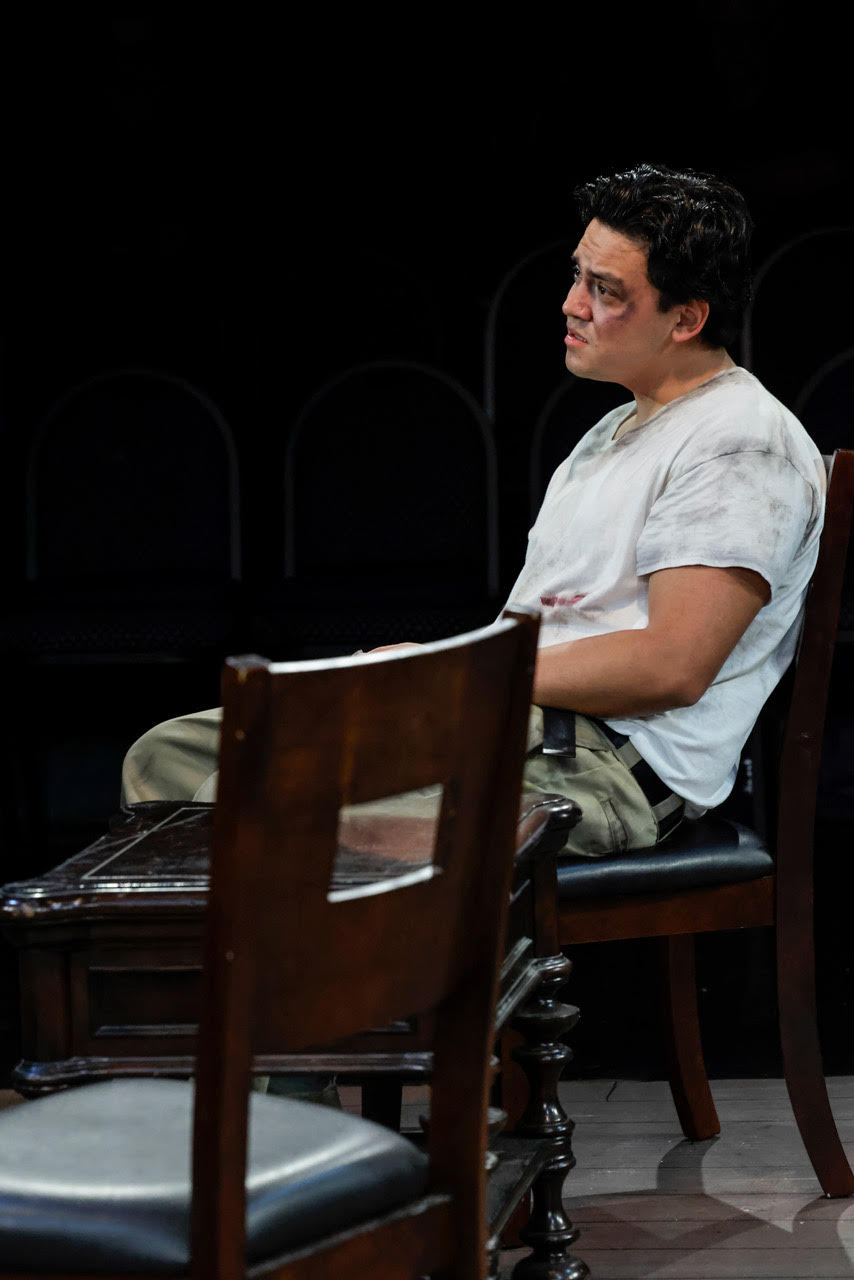
For years, I wanted to bring the world of the cholo to the stage with the humanity I knew it deserved. I knew Carlos: his humor, intelligence, machismo, fear, anger, pain and tenderness. I just didn’t know where his story belonged. Then I worked with Sarasota Jewish Theatre. The actors and staff generously shared their Jewish history, faith, culture, and identity with me. I became fascinated by the intersection of Jewish and Latino life: family, faith, tradition, storytelling, remembrance, and holding onto belief through suffering. Our histories are different, but both cultures wrestle deeply with love, loss, survival, belonging, and G-d.
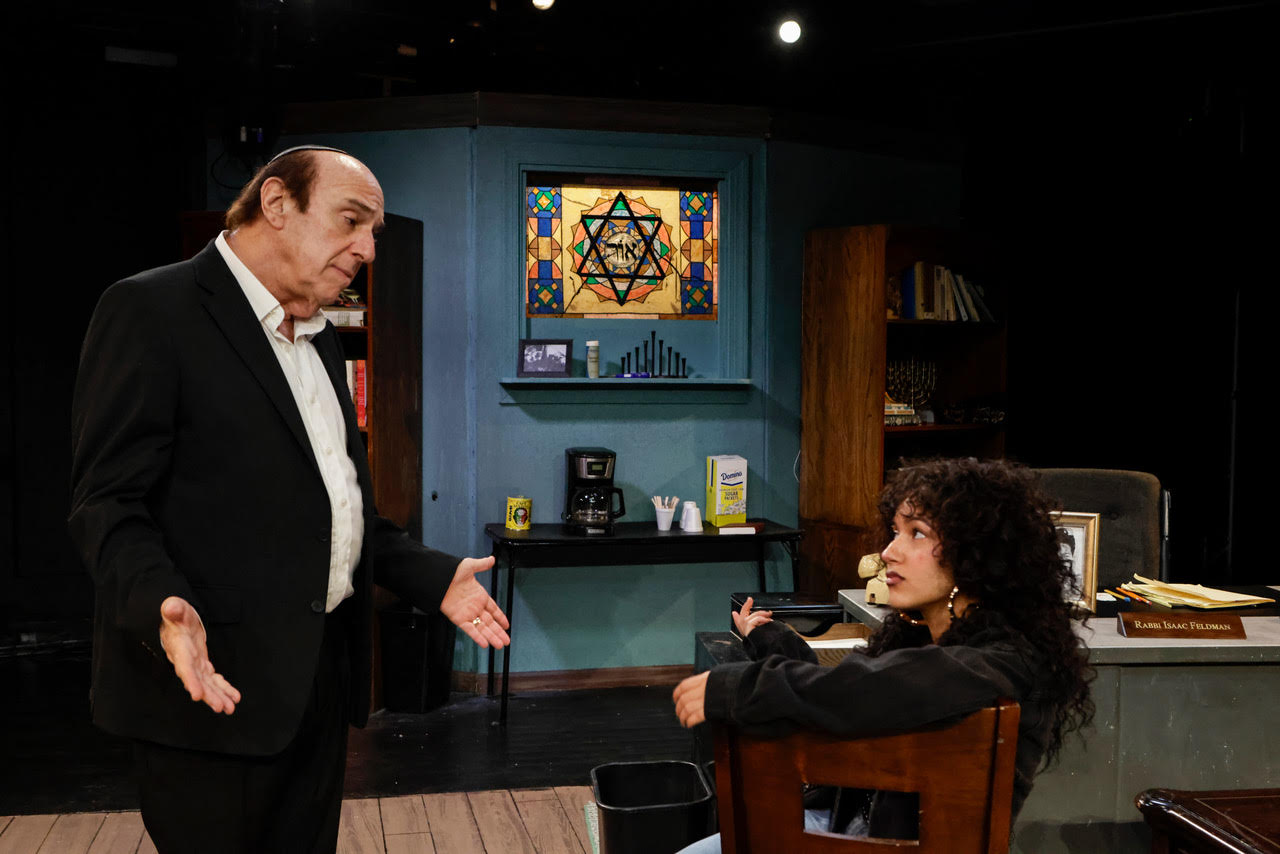
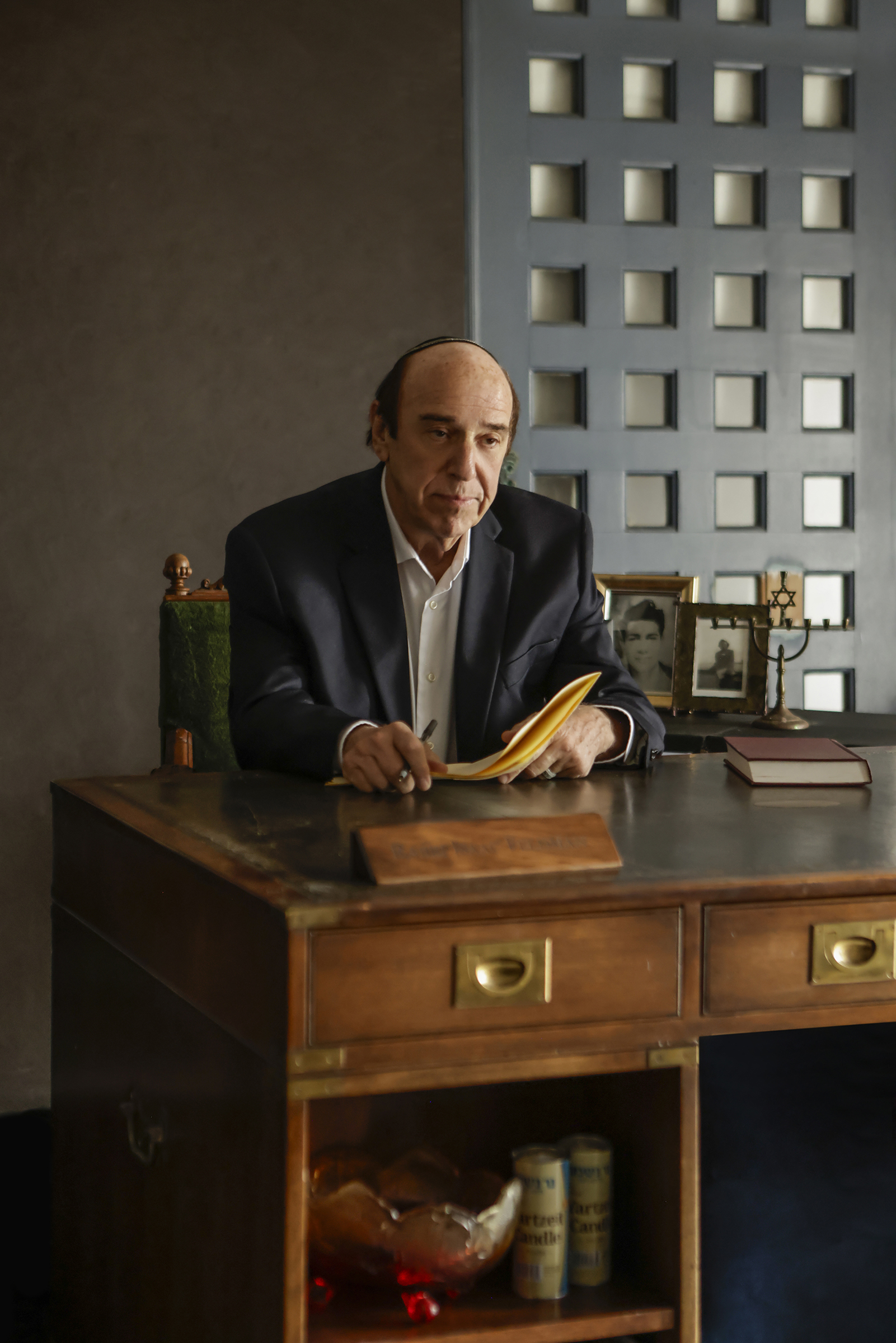
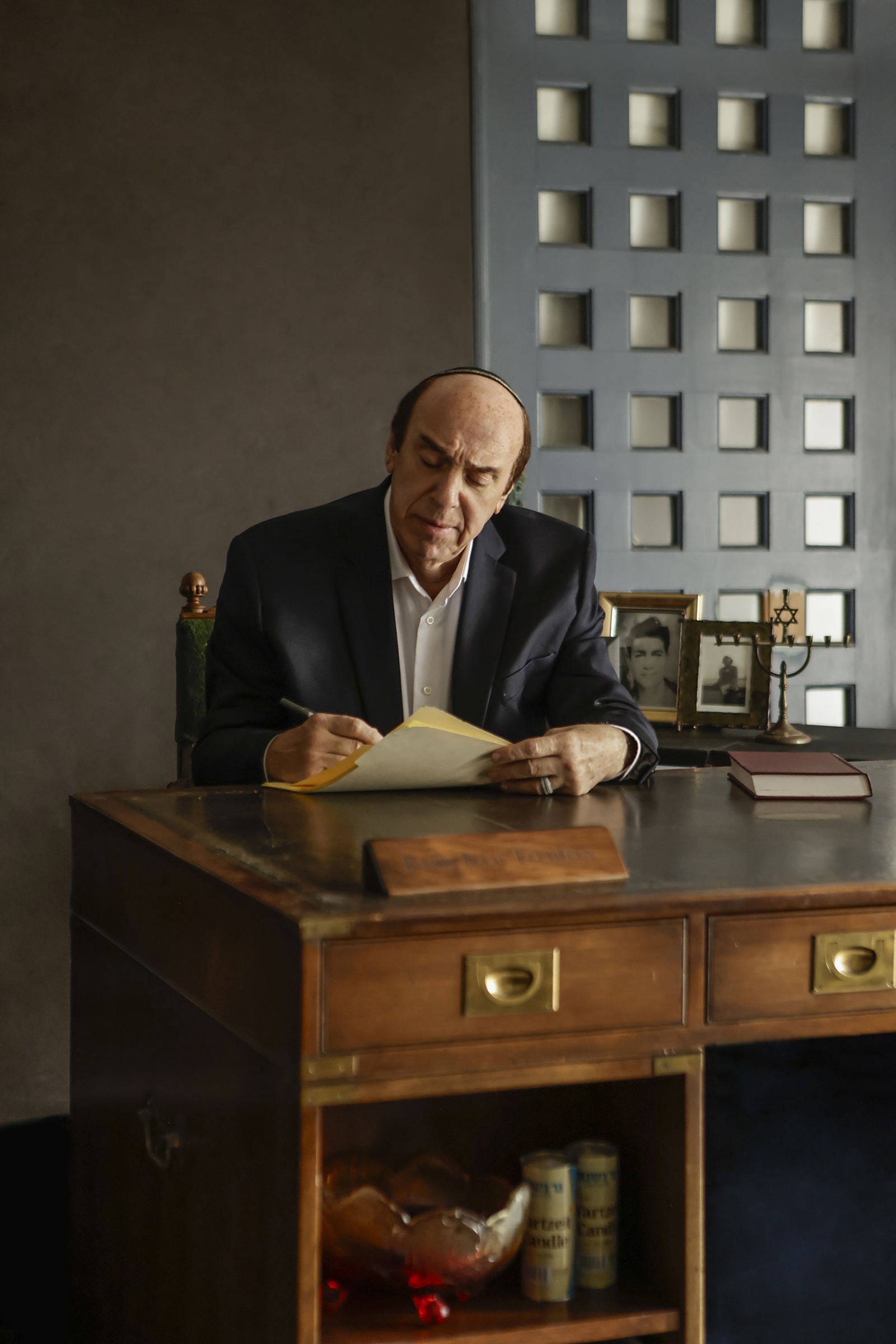
That experience led me to Boyle Heights, where Jewish and Mexican American communities once shared the same streets. Somewhere in that history, Carlos met Rabbi Feldman.
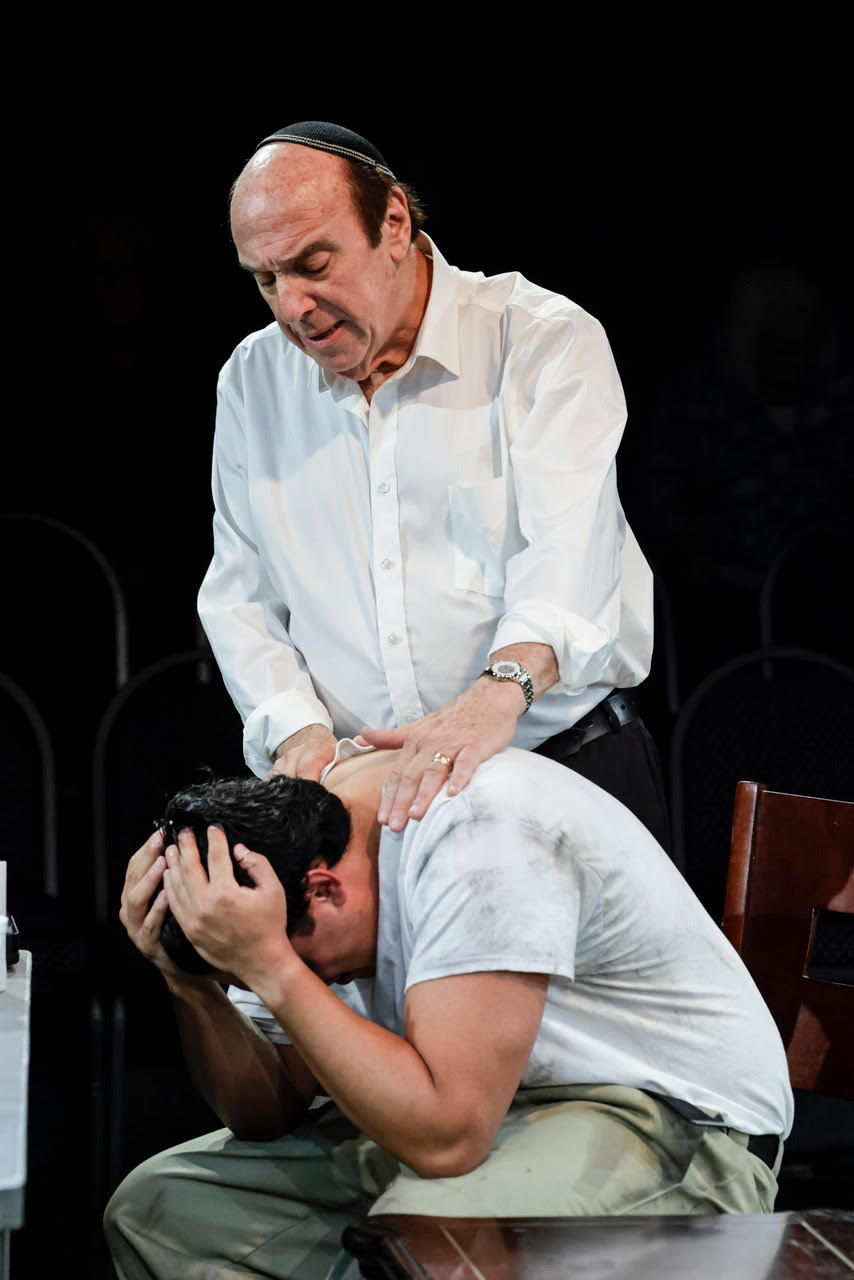
Kaddish for the Barrio asks what happens when two people from different worlds are willing to see each other, and what faith means when life becomes too much. When violence tears through a community, we offer our “thoughts and prayers.” But do we really pray? Do we meditate on our own part? Are we doing enough to heal our communities and ourselves? Perhaps prayer asks something of us after we say “Amen.”
I don’t have answers about where G-d is in our most painful moments. I have come to believe that we find the expression of G-d in each other. In the person who walks you to school because the streets are dangerous. In the brother who makes sure your shirt is ironed and your stomach is full. In the stranger who refuses to give up on you when you have given up on yourself.
My brothers were my first unlikely angels. There have been many others since: women and men; Black, Latino, and White; gay and straight; Jewish and Christian; Republican and Democrat. They taught me that angels do not always look like us, pray like us, love like us, vote like us, or come from the same world as us. Sometimes they are wounded themselves. Sometimes they only walk beside us for a little while. But at certain moments in our lives, we need the gift in them and they need the gift in us.
Maybe Kaddish for the Barrio is my prayer for the neighborhood that raised me, for those we lost, those who survived, and those still trying to find their way forward. I hope this play can be a kind of prayer too: bringing us together, helping us see one another more fully, and reminding us of our responsibility to each other.
Because when life seems like too much, perhaps that is one sure place to find G-d.
— Gabriel Ortiz, playwright
From the Director
“Kaddish” — Prayer. “Barrio” — Slum.
Saying Kaddish for the Barrio is a brilliant concept packaged neatly into a provocative play title. While the kaddish is normally thought of in connection to mourning, it is more closely defined as “sanctification” or “exaltation.” And while the barrio is often thought of as a lower class neighborhood, its Arabic roots define it as “an outer forgotten settlement.”
My challenge in directing this masterfully written drama has been to interpret an unusual marriage between two cultures and to present it as a story with some truth and resonance; to exalt the forgotten. Or, in other words, to comfort the afflicted. The theatre is an excellent proving ground for such interpretation. (Think West Side Story.) So I invite you, the audience, to take a few figurative steps back, to reflect, and to take a few steps forward with us to exalt.
— Preston Boyd, director
Meet the Cast
Meet the Creative Team
Priscilla Boyd
Production Manager
Steve Patmagrian
Technical Director teve Patmagrian
Michael Pasquini
Lighting Design
Dorian Boyd
Sound Design
Amanda Kai Newman
Costume Design
Patty Snyder Atkins
Stage Manager
Carole Goff
Property Master & Backstage Support
TBD
Sound Operator
Sandra Musicante
Volunteer Coordinator
Chad Wass
House Manager
Videos